Sustainability | July 25, 2024
Airbus to boost sustainable aviation fuel production through investment in LanzaJet
This investment will support the development of the Alcohol-to-Jet (ATJ) pathway

This investment will support the development of the Alcohol-to-Jet (ATJ) pathway
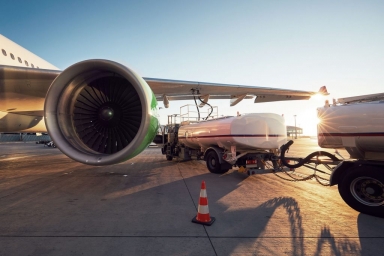
SAF to be produced from non-combustion conversion of waste to synthetic fuel
The consortium of the Methanol-to-SAF project “M2SAF” sees five companies from the entire value chain joining forces with the aim of developing a novel process technology to facilitate the selective production of SAF that can be used as a drop-in fuel up to 100%
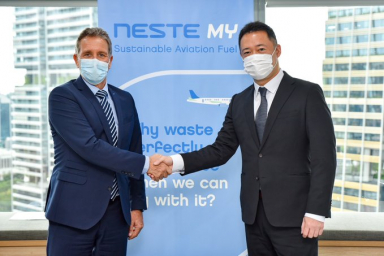
As per the deal, ITOCHU will act as the distributor of Neste MY Sustainable Aviation Fuel in Japan
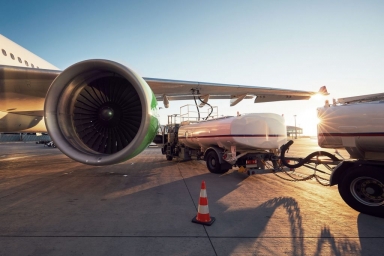
Companies aim to reuse plastic waste to produce synthetic crude oil that will then be refined into a lower carbon fuel
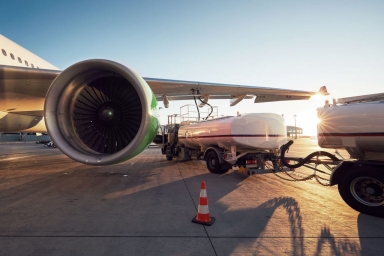
The facilities are expected to begin production of SAF in 2024 and capacity of the plants is 6500 barrels per day at each location

The integration with the FT CANS technology provides an end to end, optimised and highly scalable process that turns over 95% of the CO2 into high quality synthetic crude oil
Companies announced today that they have signed a memorandum of understanding (MoU) to support the production of sustainable aviation fuel (SAF) and other low carbon-footprint hydrocarbon fuels
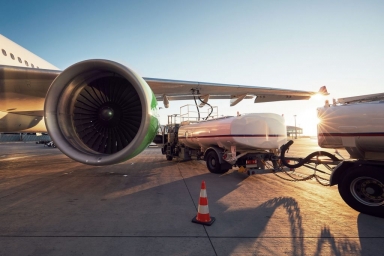
When used together, the technologies, which are based on Honeywell’s UOP Ecofining process technology and Wood’s hydrogen plant technology, could reduce lifecycle greenhouse gas emissions (GHG) by 100% using certain feedstocks when compared to traditional petroleum aviation fuel
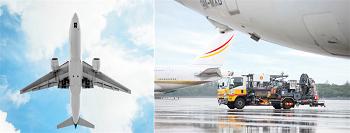
The agreement significantly increases the supply and availability of SAF for the aviation industry with effect from October 2020.
Subscribe to our newsletter & stay updated.