Sustainability | November 30, 2025
Sulzer joins Swiss methane pyrolysis project to drive industrial decarbonization
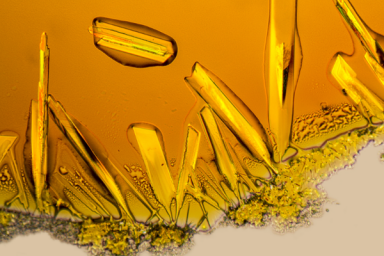
Methane pyrolysis uses a microwave-generated plasma to split methane into hydrogen and solid carbon

Methane pyrolysis uses a microwave-generated plasma to split methane into hydrogen and solid carbon
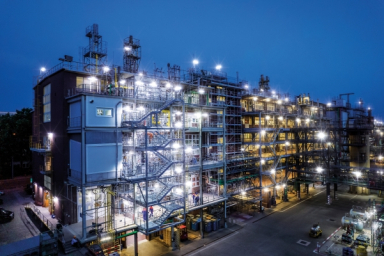
The facility is slated to produce up to 2,000 tons of low-emission hydrogen and 6,000 tons of solid carbon each year

Novel methane pyrolysis technology converts abundant natural gas into zero-emission hydrogen and graphite to meet energy and critical mineral needs
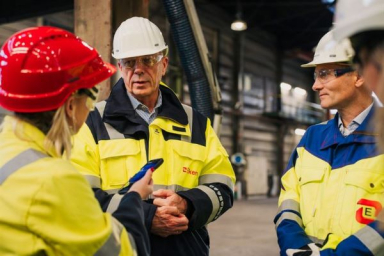
MECALO could save 33 million tonnes of CO2 emissions per year in 2050
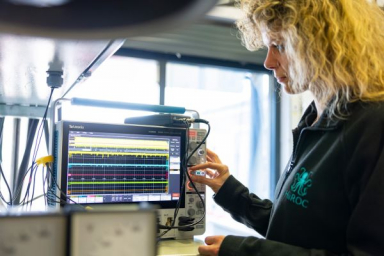
HiiROC’s Thermal Plasma Electrolysis process produces clean hydrogen and solid carbon, using significantly less electricity than water electrolysis and without creating carbon dioxide
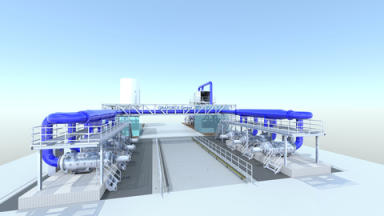
Plasmalysis is a game changing technology, which converts natural gas, LNG, flare gas and other hydrocarbons into hydrogen without emitting CO2 or any other greenhouse gas into the atmosphere.
It is a significant step towards economically producing an environmentally friendly hydrogen
They will accelerate joint research on a catalyst and a process for low environmental impact commercial production of turquoise hydrogen, along with joint research into applications of the solid carbons generated as byproducts from the process
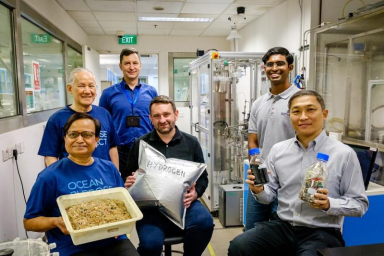
Using the new method, NTU scientists can now convert plastic litter into two main products, hydrogen and a form of solid carbon known as carbon nanotubes – a high value material used in biomedical and industrial applications
This joint development aims to establish an energy-saving and highly efficient hydrogen production process by 2026 by combining Sumitomo Chemical’s catalyst and chemical process design technology with Microwave Chemical’s microwave platform technology
Subscribe to our newsletter & stay updated.